
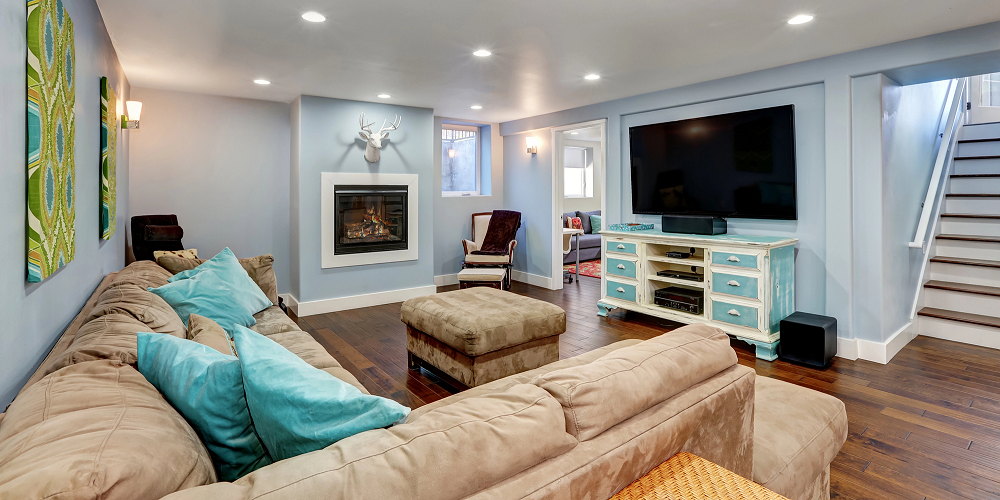
The “move or improve” debate has a clear winner for 2026. With mortgage rates stabilizing near 6% and housing inventory remaining tight, moving to a bigger house is becoming a logistical and financial headache for many.
The solution? Look down.
Your basement represents the most cost-effective square footage you already own but aren’t using. In 2026, finishing this space isn’t just about adding a playroom; it’s a strategic asset class. From high-yield ROI to the rising trend of “sanctuary spaces,” here are the five critical reasons to finish your basement this coming year.
1. It’s the “Inflation-Beater” Expansion
In 2026, the gap between renovation cost and new mortgage cost is widening. Trading up to a larger home often means swapping a 3-4% interest rate (if you bought a few years ago) for a rate near 6%, plus closing costs and moving fees.
- The Math: Finishing a basement typically costs $30–$75 per square foot. Buying a new home with that same extra space often costs $200–$400+ per square foot depending on your market.
- The Verdict: You are effectively buying a “new” floor of your house at a 70-80% discount compared to buying that same footage on the open market.
2. The Rise of the “Wellness Wing”
Post-pandemic design trends have fully matured. We aren’t just seeing home offices anymore; 2026 is the year of the specialized “wellness wing.” Trends show a massive pivot away from open-concept basements toward purpose-built rooms.
- What’s Trending: Infrared saunas, cold-plunge zones, and soundproofed meditation rooms.
- Why Now: As gym memberships and external wellness services climb in price, bringing these amenities in-house pays for itself in monthly savings and daily convenience.
3. Passive Income & Multi-Generational Living
The “Sandwich Generation”—supporting both aging parents and adult children—is reshaping housing. Zoning laws in many municipalities are becoming friendlier toward ADUs (Accessory Dwelling Units) and basement apartments.
- The 2026 Opportunity: Converting your basement into a legal suite can generate rental income to offset your primary mortgage.
- The Flex Factor: Even if you don’t rent it to a stranger, a basement suite with a kitchenette and full bath future-proofs your home for a boomerang college grad or an aging in-law, a feature that is skyrocketing in resale desirability.
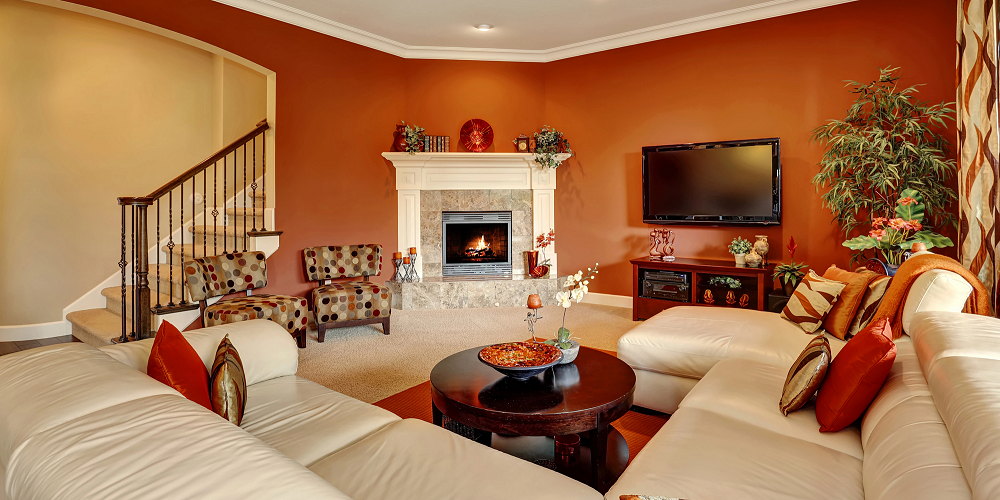
4. Energy Efficiency is a Major Value Driver
Unfinished basements are often energy vampires. They are typically the source of cold drafts, humidity issues, and heat loss that forces your HVAC system to work overtime.
- The “Hidden” ROI: In 2026, energy costs are projected to remain high. Finishing a basement allows you to install proper rim joist insulation, vapor barriers, and energy-efficient windows.
- The Result: You don’t just get a new room; you seal the thermal envelope of your entire house, often lowering utility bills by 10–15%.
5. 70% ROI is the Floor, Not the Ceiling
Real estate data consistently pegs basement remodels at a 70–75% Return on Investment (ROI). However, this number is an average that includes basic, carpeted rec rooms.
- Strategic Finishes: If you align your renovation with 2026 aesthetics—think warm woods, organic textures, and “layered” lighting rather than the cold “industrial grey” of the early 2020s—you can push that ROI higher.
- Appraisal Bump: Appraisers are increasingly giving higher value to finished basements that feel like above-grade living space. If you match the trim, doors, and flooring quality of your main level, you blur the lines between “basement” and “living area,” significantly boosting your home’s total appraised value.
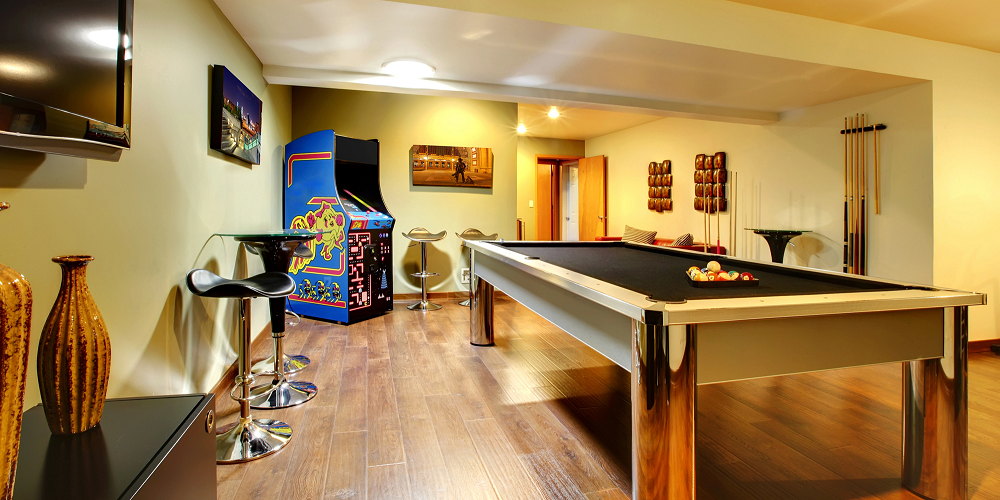
Summary: The Smart Play
In 2026, a finished basement is more than a luxury; it is a hedge against inflation and a lifestyle upgrade that your current home is begging to give you. Whether you need basement finishing in Windsor, a basement remodel in Greeley, or a full basement finish in Timnath, ProBuilt Construction is ready to help.
Next Step: Go downstairs with a tape measure and simply measure the length and width of your usable open space. Multiply them to get your square footage. Once you have that number, fill out our Free Estimate Form and we’ll get back to you with a free consultation and estimate.